
by Tom
Share
by Tom
Share
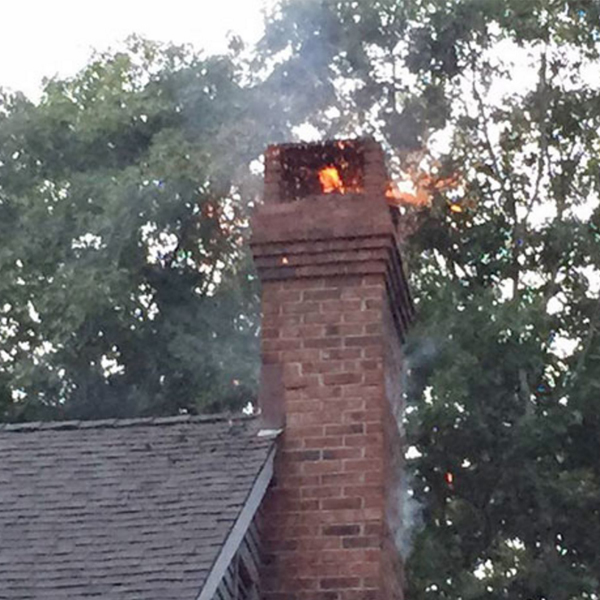
While chimneys are designed to contain heat from normal fires in a woodstove or fireplace, chimney fires can easily burn at 2000 degrees Fahrenheit, damaging mortar and even starting a house fire.
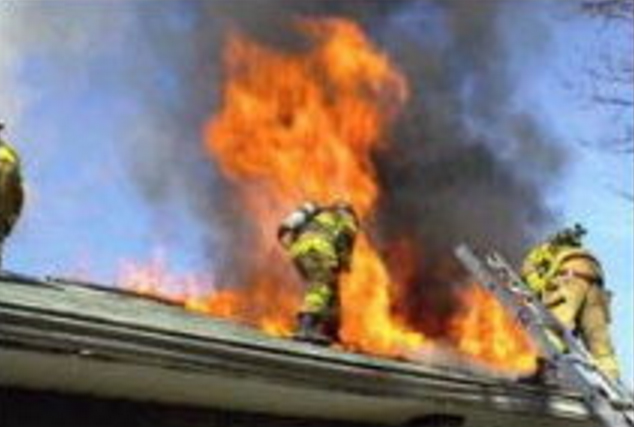
When wood in your fireplace burns, the byproducts of the fire are released up the chimney. Smoke, water vapor, bits of unburned wood, tar, and a number of other hot materials rise up the chimney. As they rise up the cool chimney, some condense and stick to the interior of the chimney, forming creosote.
Creosote is extremely flammable and burns at very high temperatures. Small quantities are not a concern, but if allowed to accumulate, the creosote could fuel a long, hot, destructive fire. Creosote can burn at 2000 degrees Fahrenheit, which is hot enough to melt mortar, crack flue tiles, and damage the outside masonry. Metal flues fair only slightly better. While metal flues are designed to withstand temperatures up to 2100 degrees, damage can still occur. Metal flues that have been subject to a chimney fire must be replaced.
The real danger of chimney fires is the fire spreading to the rest of the house. As the chimney fire cracks the flue, the heat from the fire can escape the chimney and ignite flammable parts of your home. Chimney fires can easily go from a contained burn to a completely destroyed home.
What to do if you have a chimney fire:
If your chimney does catch fire, leave the house immediately and call 911 from outside the house. Do not light another fire until after your chimney has been inspected by a professional chimney sweep.
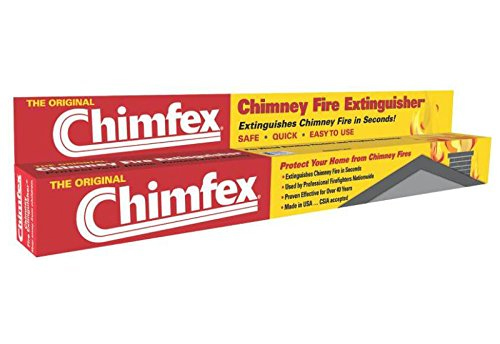
Having a chimney fire extinguisher such as Chimfex on hand is a wise investment, but once you have a chimney fire, it is too late to shop for one.
How to prevent a chimney fires:
- Clean chimneys do not burn. Have your chimney cleaned and inspected every year by a certified chimney sweep.
- Burn only seasoned firewood. Green firewood causes more creosote buildup.

The United States celebrates National Bioenergy Day each October. It recognizes and encourages the use of renewable and sustainable bioenergy sources. In 2021, National Bioenergy Day is October 20. When any organic material with few or no productive applications is used to generate energy, we call it “bioenergy.” The biomass can be any organic low […]
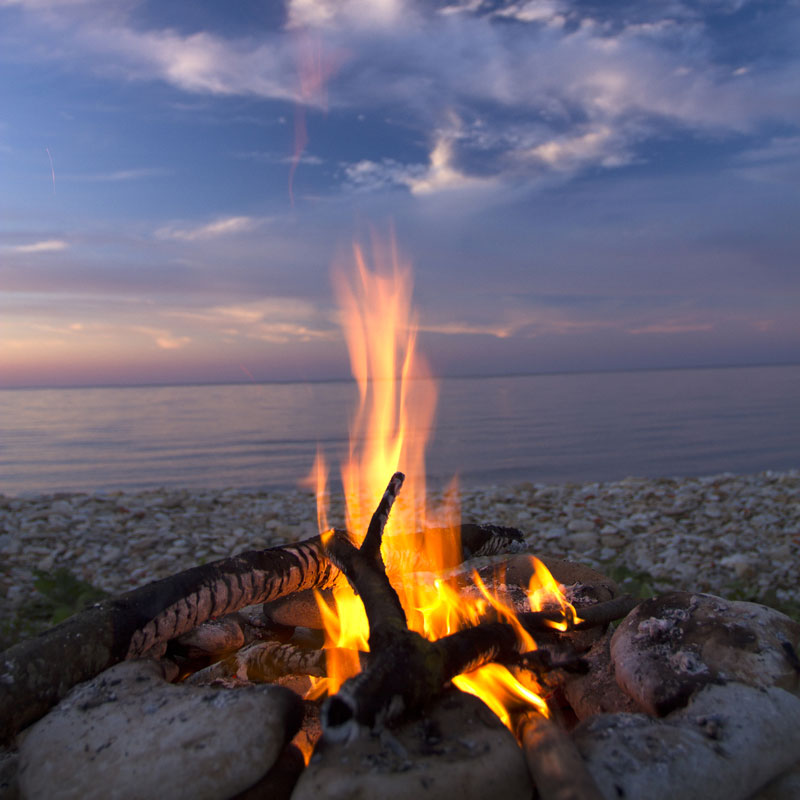
Mosquitos are the bane of everyone who wants to relax by a fire pit or fire bowl or campfire. A careful selection of specific eco-friendly firestarters, logs and other fire fuels can safely repel those flying pests. Here is a list of what to burn for mosquito free fire pit or other outdoor fires. What […]
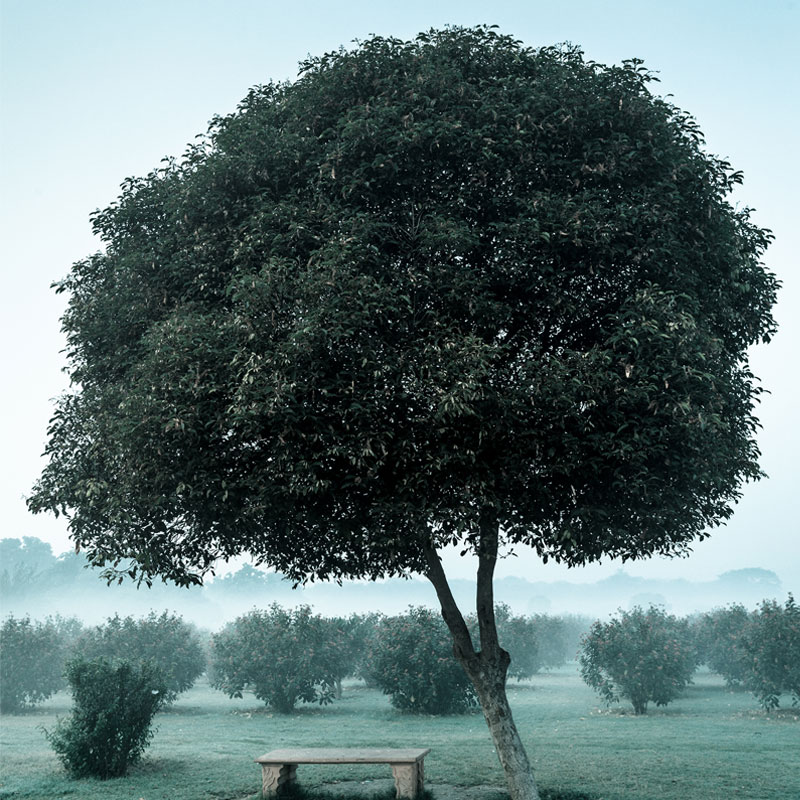
We celebrate Arbor Day in the United States on the last Friday of April. The holiday celebrates the joys of trees. Trees provide both people and animals with services as well as goods. Planting trees on Arbor day is a traditional way to honor forest, ornamental and fruit trees. To those with wood-burning fireplaces or […]
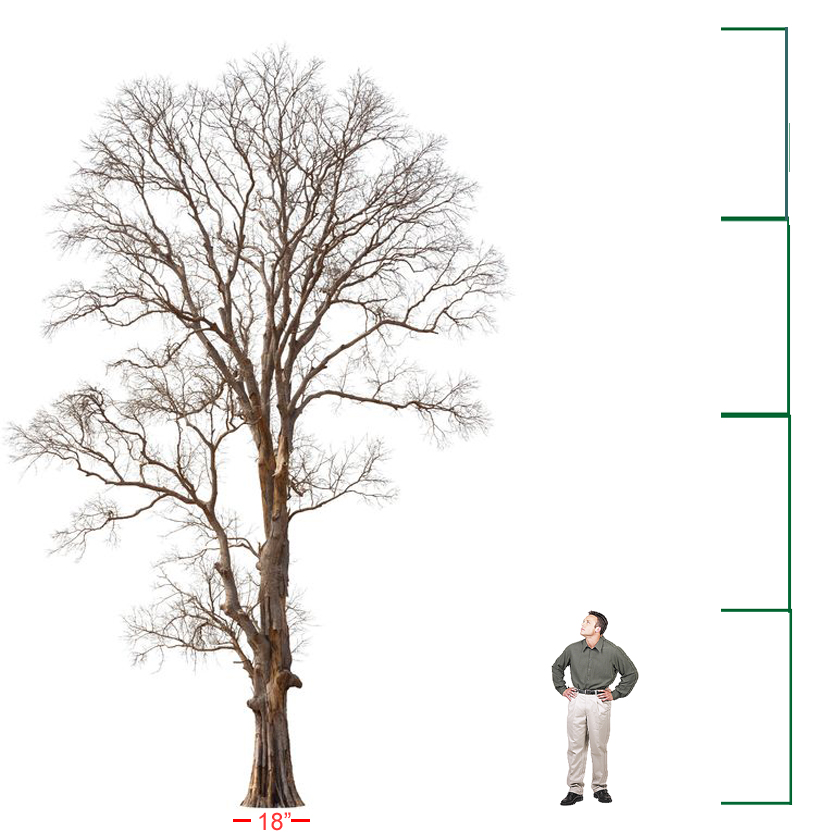
Old timers had rules of thumb, that is, experienced-based guides, about how many cords of firewood a tree would yield. One of those is that a tree that is 18 inches in diameter at the base and four times the height of a man will yield a half-cord of firewood. Different varieties of trees, and […]

[…] (Burning softwood deposits creosote in your flue, increasing the chance of a chimney fire.) […]